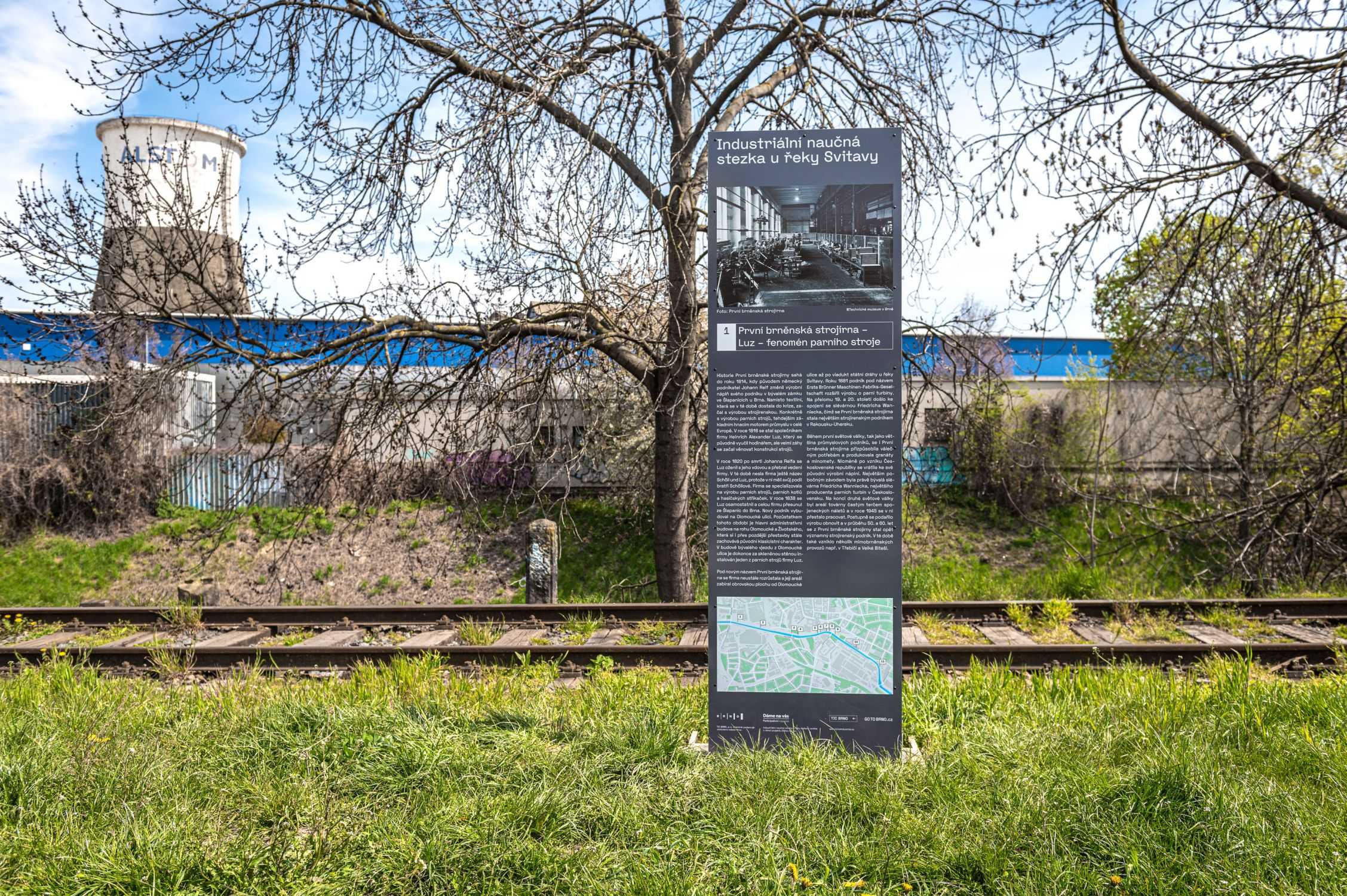
Svitava river industrial educational trail
První brněnská strojírna – Luz – The Steam Engine Phenomenon
-
První zastavení industriální stezky u řeky Svitavy
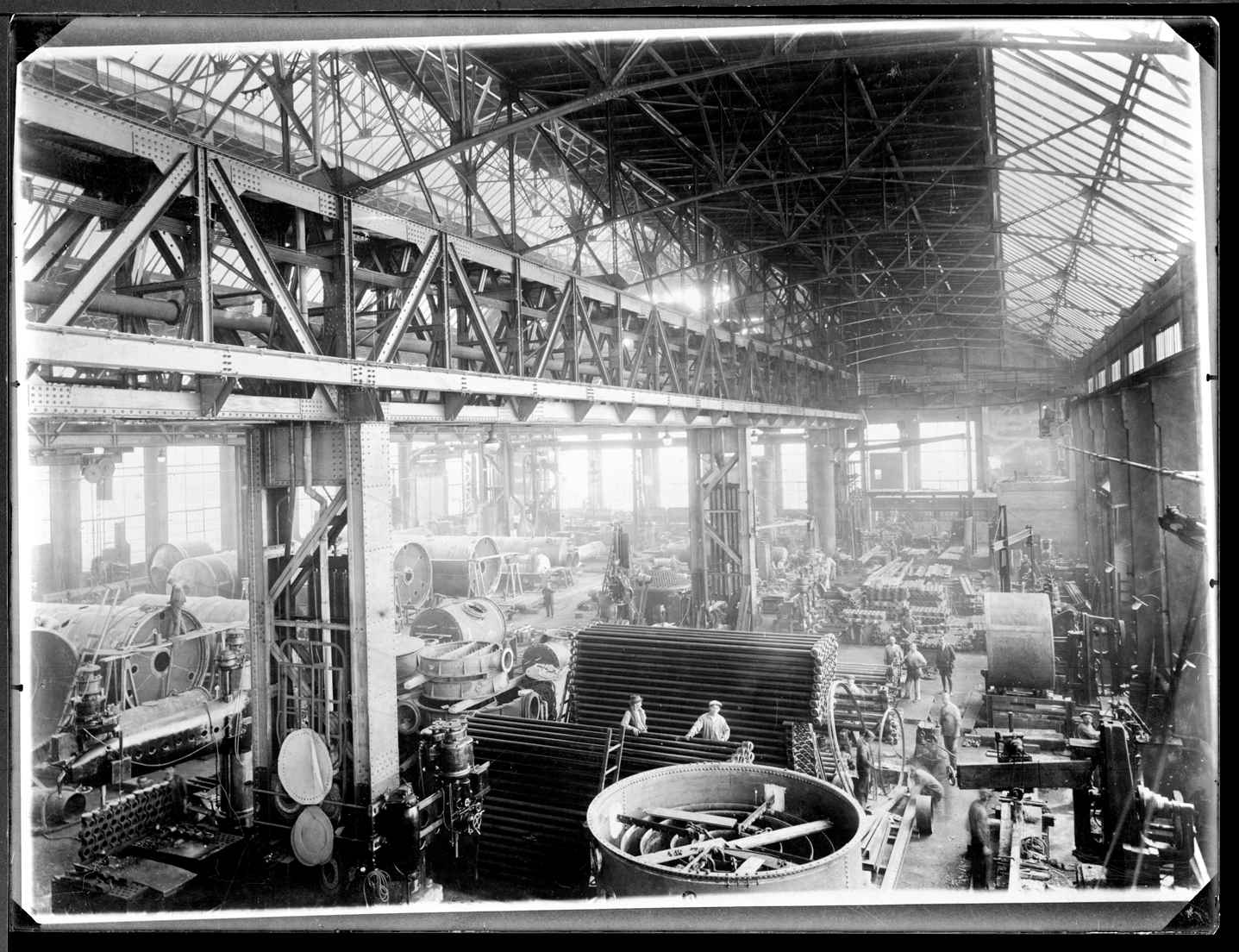
The history of První brněnská strojírna (“The First Brno Machine Works”) dates back to 1814, when a German-born entrepreneur Johann Reif redid the manufacturing program of his company, then located in the building of the former castle in Šlapanice u Brna. Instead of textile production, presently facing severe headwinds, he decided to focus on the production of machinery, in particular steam engines, the main driving force of industry throughout Europe at the time. In 1816, Heinrich Alexander Luz, who had originally trained as a watchmaker, became a partner in the company, soon turning his attention to machine construction.
In 1820, following the death of Johann Reif, Luz married his widow and took over the company directorship. At that point, the company was still called Schöll und Luz as the Schöll brothers still held a share in it. The company specialised in producing steam engines, steam boilers and fire engines. In 1838, Luz went independent and moved the entire company from Šlapanice to Brno, establishing a new factory on Olomoucká Street. The main administrative building at the corner of Olomoucká and Životského Street, which, despite later reconstructions, still retains its original neo-classical character, stands as a reminder of this period to this day. At the former entrance from Olomoucká Street, one of the Luz steam engines can still be seen in a window.
Under the new name of První brněnská strojírna, the company grew steadily, its premises covering a vast area between Olomoucká Street and the state railway viaduct near Svitava River. In 1881, now known as Erste Brünner Maschinen-Fabriks-Gesellschaft, it expanded its production to now include steam turbines. At the turn of the 19th and 20th century, the company merged with Friedrich Wannieck’s metal foundry, making PBS the largest engineering enterprise in Austria-Hungary.
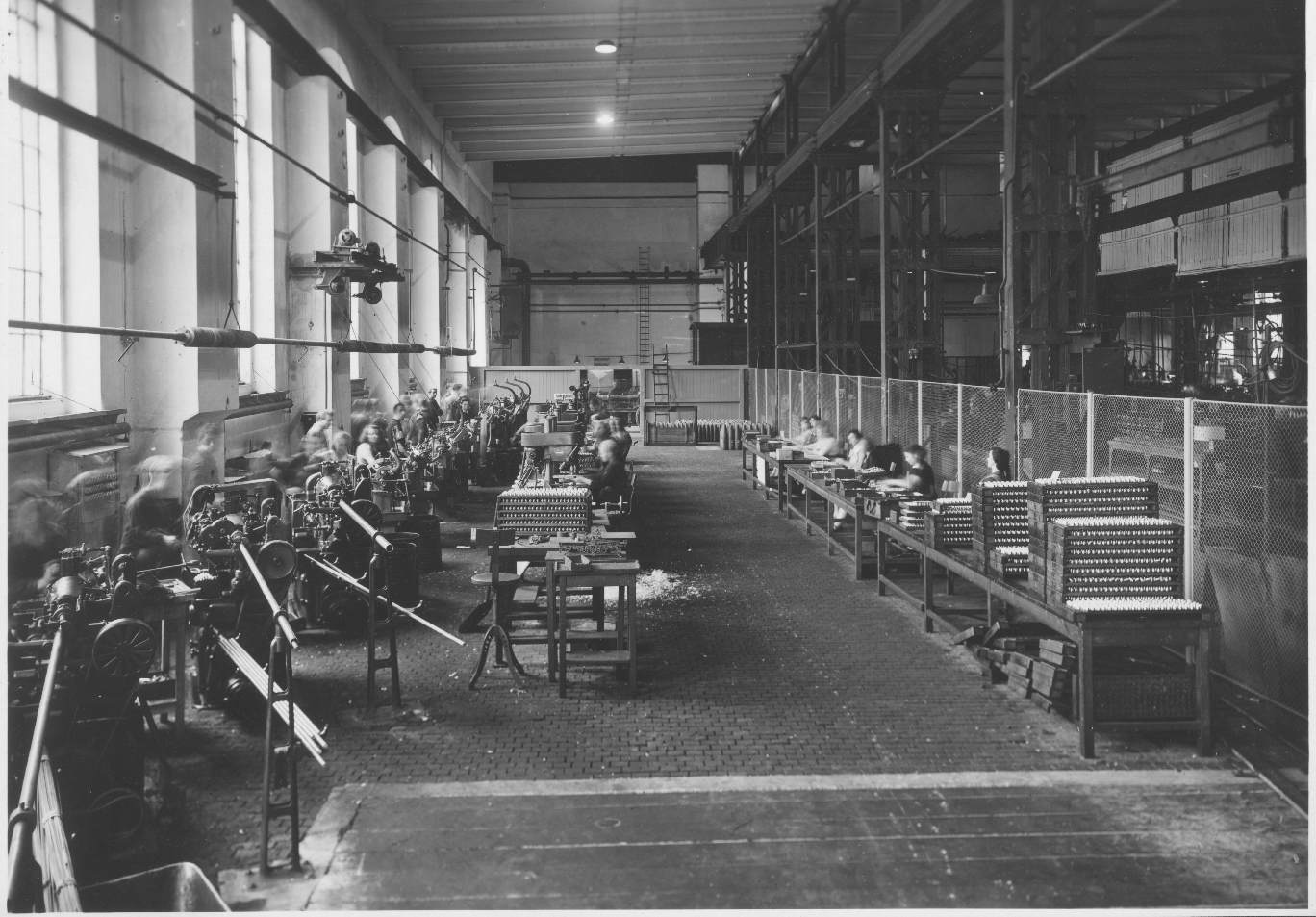
During the First World War PBS, like most industrial enterprises, adapted to the war effort and produced shells and mortars. However, after the establishment of the Czechoslovak Republic, it returned to its original production. Its largest subsidiary was the former Friedrich Wannieck’s metal foundry, Czechoslovakia’s main producer of steam turbines. At the end of the Second World War, the plant became a frequent target of Allied air raids, leading to a shutdown in 1945. After the war, production was gradually restored and during the 1950s and 1960s První brněnská strojírna became a major engineering company once again. At that time, several plants outside Brno were established as well, e.g. in Třebíč and Velká Bíteš.