-
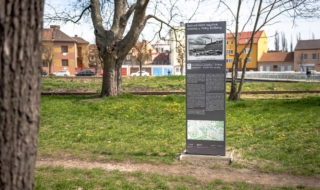
Třetí zastavení industriální stezky u řeky Svitavy
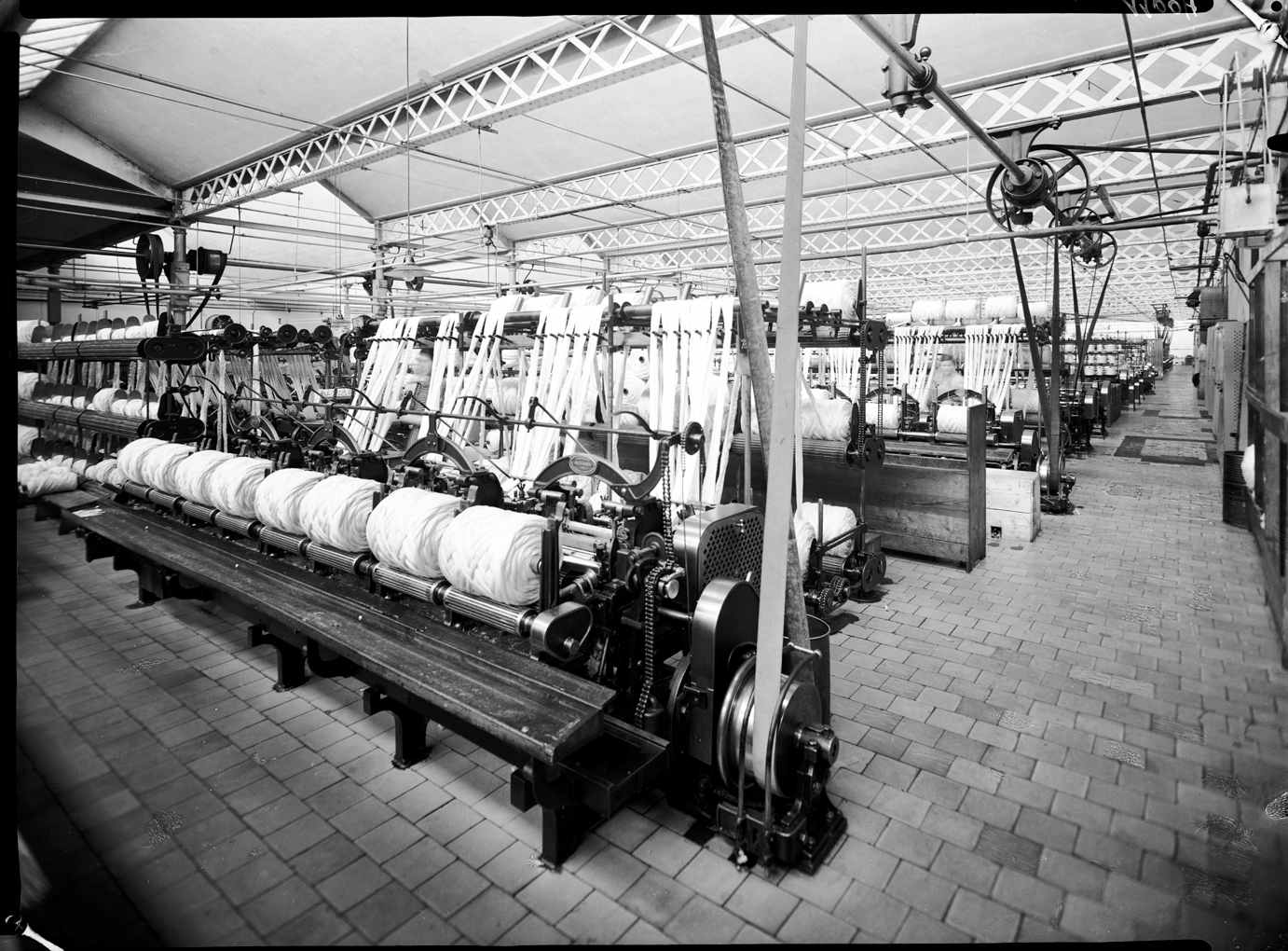
One of Brno’s largest textile mills was founded in 1881 under the name Kammgarn-Spinnerei. This somewhat complicated title was soon abbreviated to the nickname “Kemka”, by which the factory was known throughout Brno. At its foundation in 1881, it had 12,000 spindles in operation, scaling up to more than 40,000 by the beginning of the 20th century. Kemka, producing the then very popular worsted yarn, became the biggest spinning mill in Brno, .
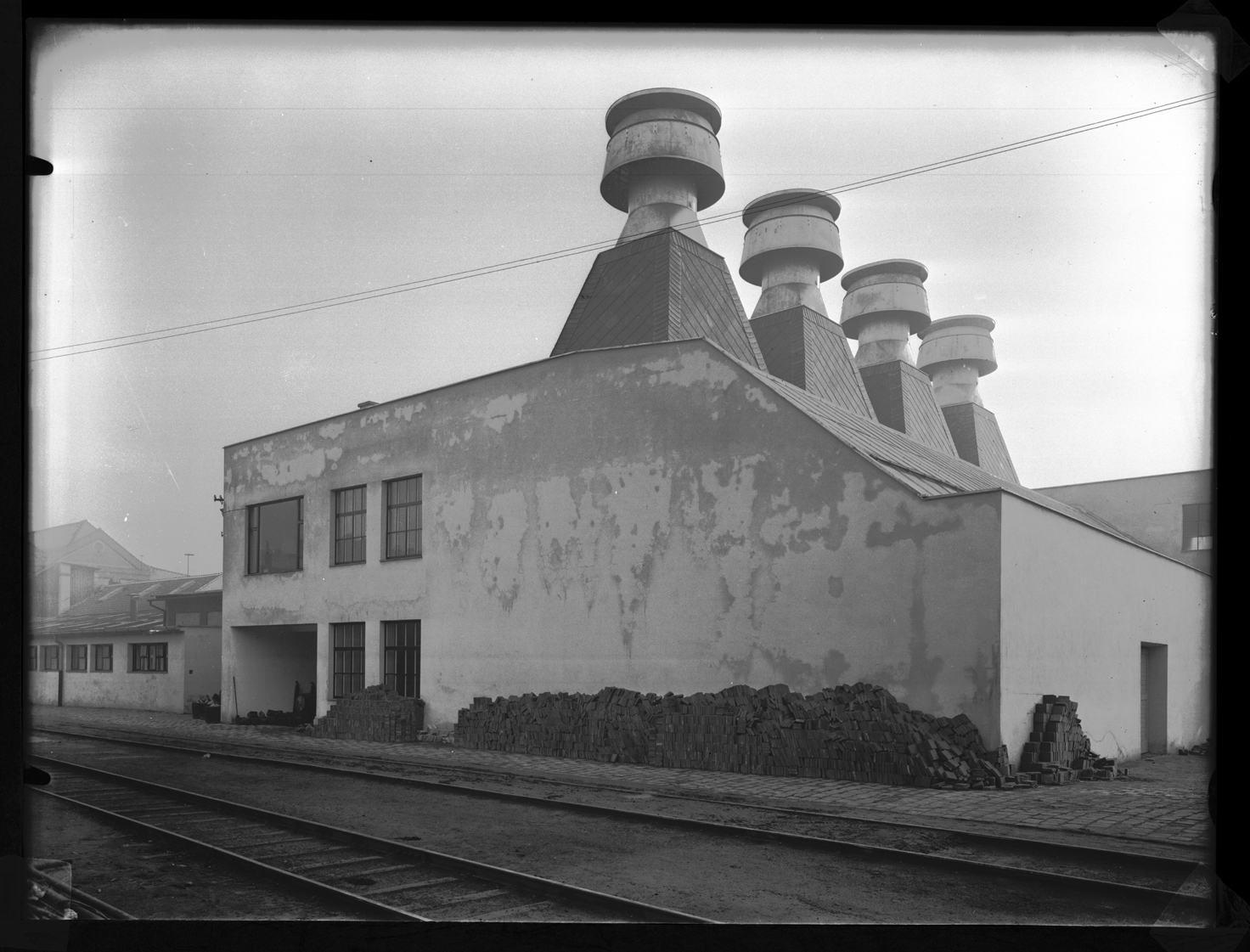
The plant was built on a greenfield site in the area bordered by the Svitava leat, Radlas Street and Plynárenská Street. Its relatively large acreage allowed to house the spinning mills in spacious ground-floor halls, a layout not common in Brno. The entire Kemka complex – from the spinning halls and the administrative buildings to the fence facing the Radlas Street or the bridge over the Svitava leat – stood out thanks to its striking architectural style combining exposed brickwork and plastered surfaces. However, only a fraction of the original buildings survived to this day, as they were hit by both Allied air raids targeting the Brněnská zbrojovka arms factory in 1944.
These large-scale production plants with fairly harsh working conditions saw the first workers’ associations, fighting for the rights of textile workers, beginning to emerge as early as the mid-19th century. In 1895, the Worker’s house/Arbeiterheim association was founded in Brno with the purpose to raise funds for a social and political centre serving the workers of the Upper and Lower Cejl area. A plot of land in the then Jussova Street (later Spolková, Marxova and currently Spolková again) was chosen for the building. The original building was rebuilt in 1929 in a functionalist style according to the plans of architect Eduard Göttlicher, including a community hall, clubrooms and a below-ground cinema hall. The Workers’ House had already become the centre of the Brno workers’ movement before the First World War. During the Second World War, its owership went to the employees of Zbrojovka, lasting until the 1990s.
Alongside workers’ associations, a left-wing intellectual avant-garde began to form in the 1920s, and in 1923 the Brno Devětsil was founded as a branch of the Prague Devětsil Artistic Federation. Its founders were the journalist Artuš Černík, the poet František Halas, film and theatre critic Ctibor Haluza, the translator and poet Vincenc Nečas, the poet Jaroslav Seifert, the theatre critic Bohumír Svrček, Marxist literary critic and theorist Bedřich Václavek or the literary historian Jaroslava Václavková-Nickmannová.
Similar places nearby
-
Ignaz Storek Engineering Plant – Šmeral
The present-day Šmeral Brno Machine Works was founded in 1861 under the name of Ignaz storek’s grey cast iron foundry.
-
Soxhlet textile mill / Vlněna, plant 02 / The Art protis studio
At 68 Cejl Street, the vast complex of the original H. F. & E. Soxhlet textile mill from 1833-35 can still be found.