-
One of the most significant and authentically preserved interwar residential interiors in Brno
-
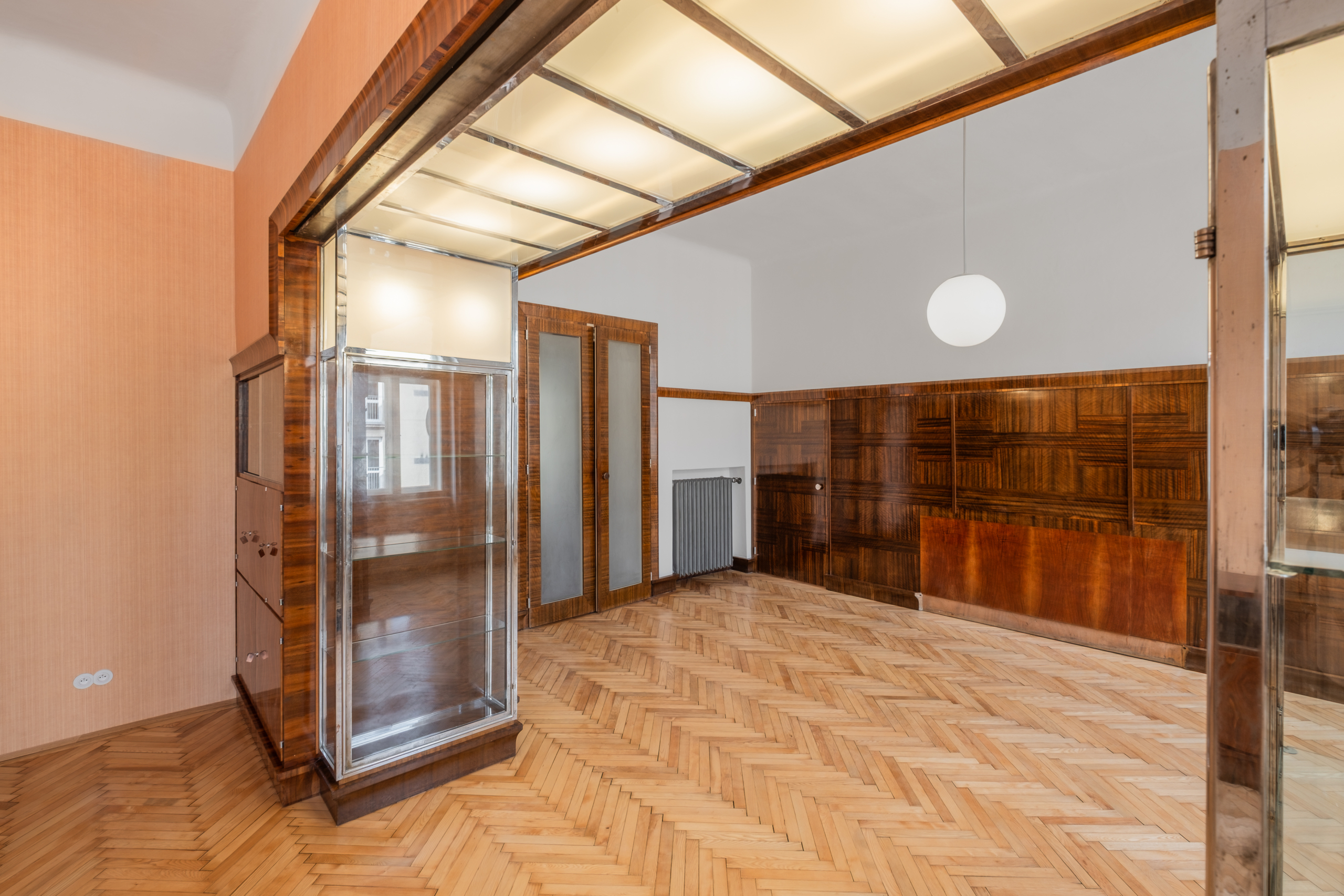
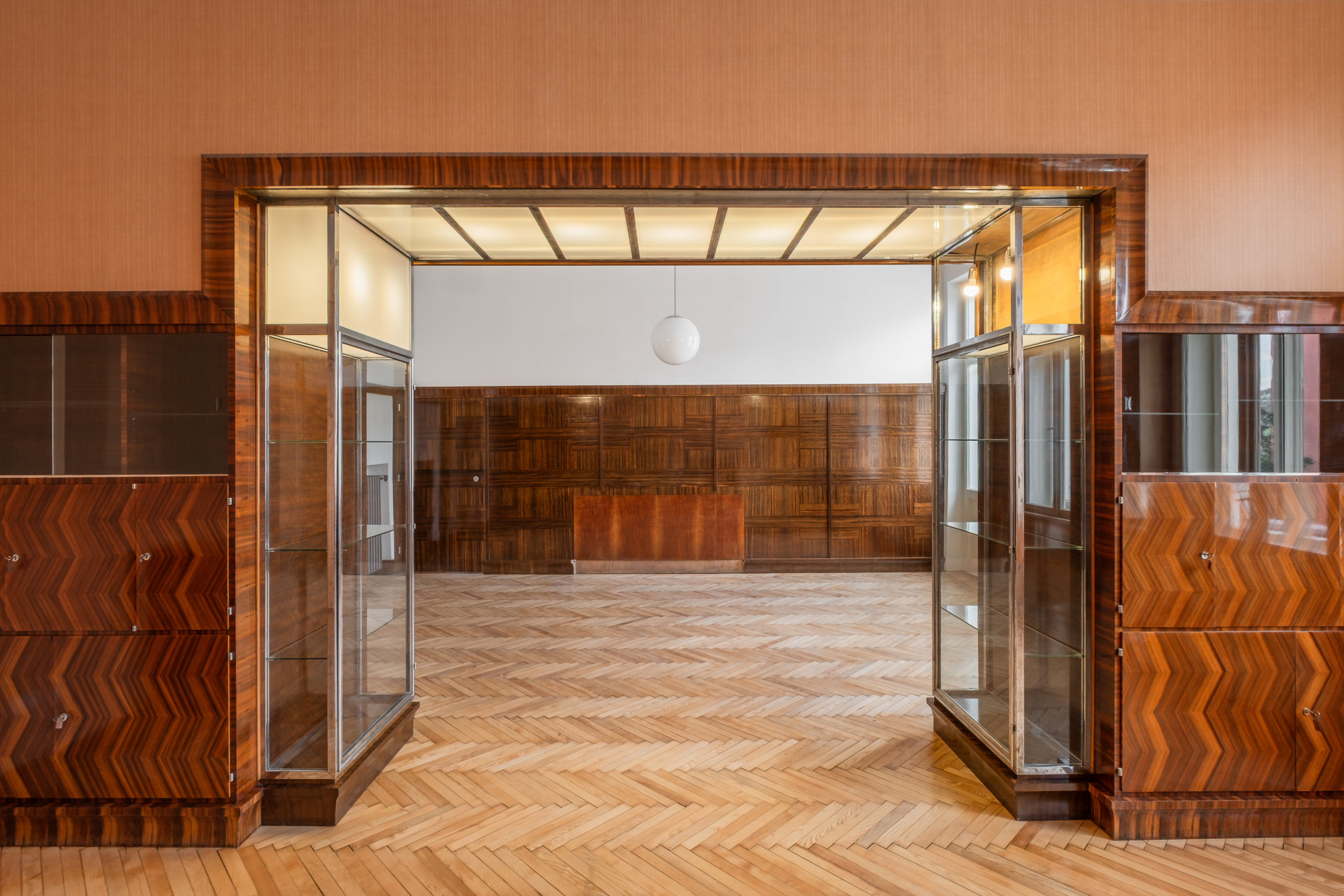
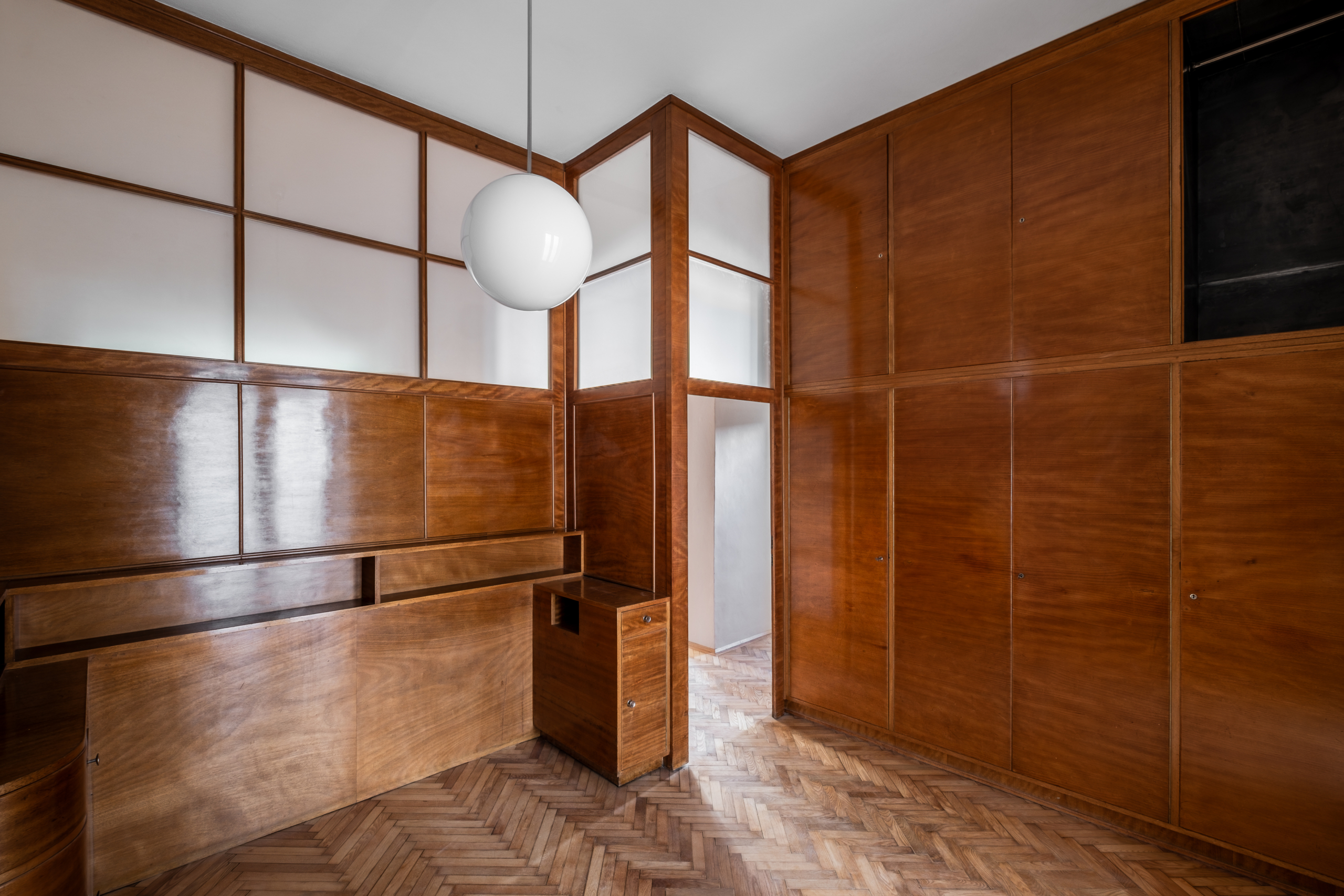
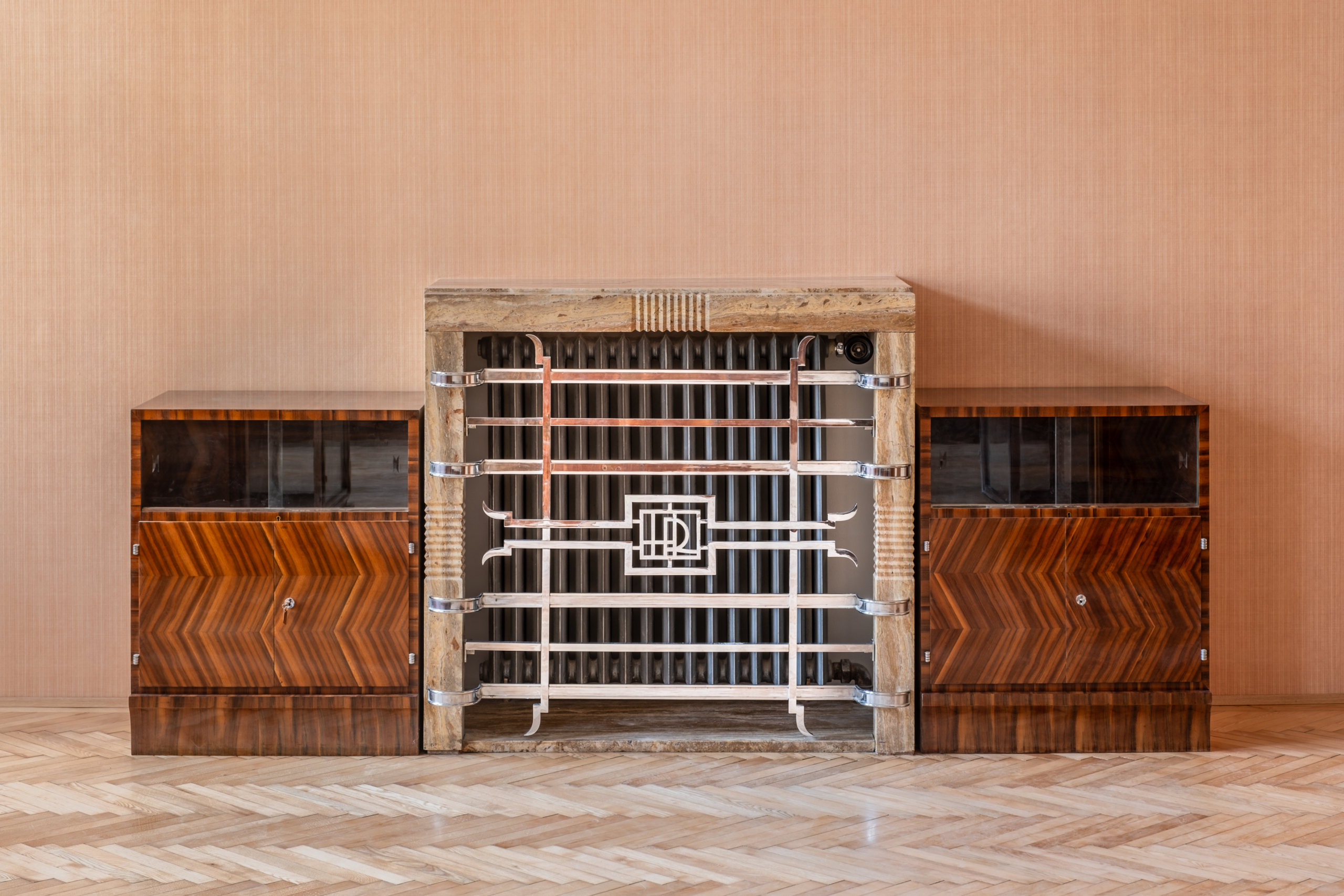
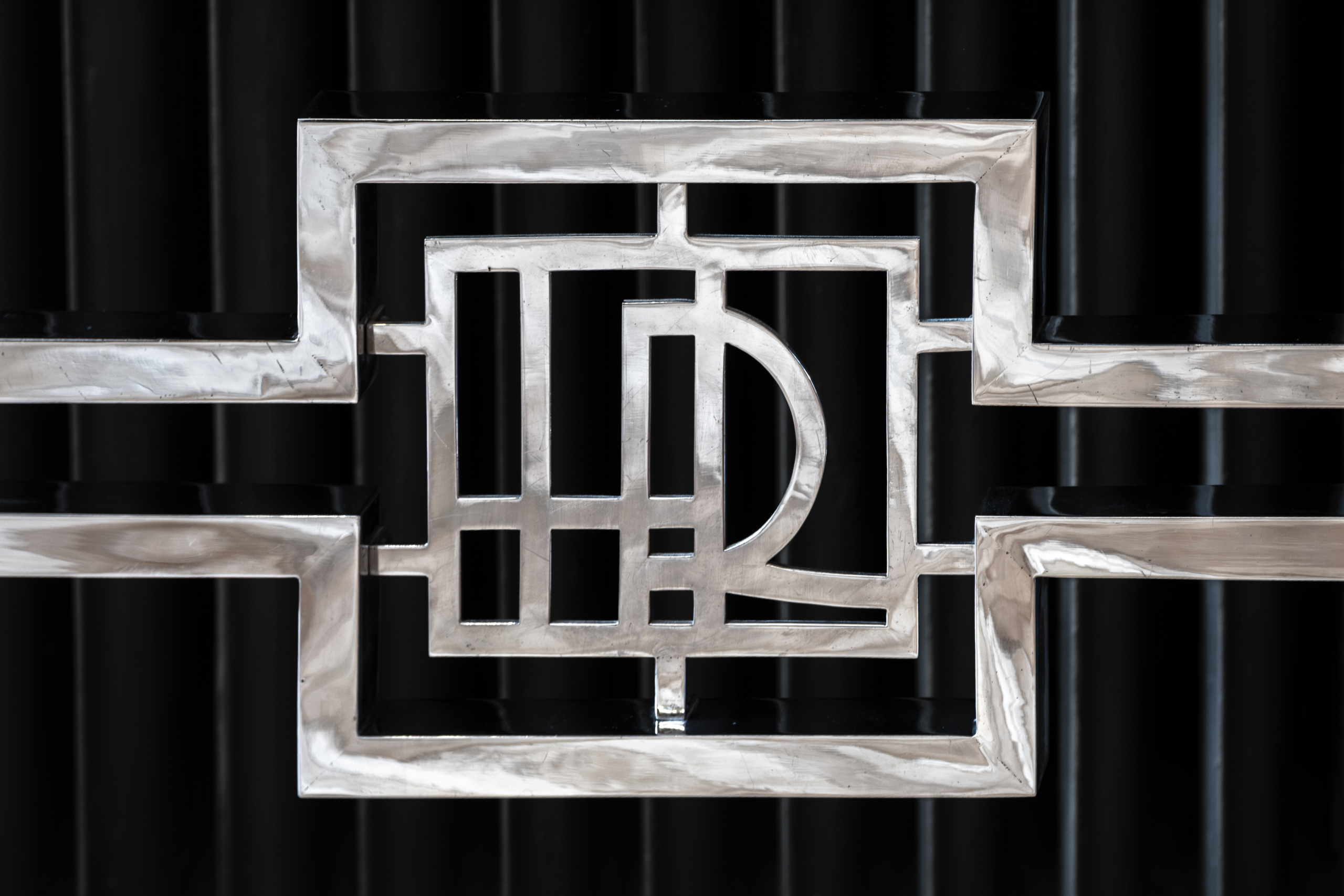
It was created in 1933 according to a design by architect Emerich Horvát.
In 1933, the young newlywed couple Richard and Johanna Herdan had their apartment adapted according to a design by architect Emerich Horvát.
Their son Leo was born later that same year, followed four years later by their daughter Felicitas. In 1938, Richard Herdan was sent to South Africa on a work assignment. The family subsequently moved to Johannesburg, thereby saving their lives. Meanwhile, their home on Hlinky Street began to write an entirely new chapter in its history.
It is rare to discover an interior preserved in such an authentic state, one that can still tell the story of a Jewish family from Brno almost ninety years later.
The apartment of Richard and Johanna Herdan at 46 Hlinky Street was created in 1933 according to a design by architect Emerich Horvát as a modern home for the young newlyweds. The bride’s parents gave the apartment to their daughter and her husband as a wedding gift.
During the Second World War, the house was occupied by people associated with the Nazi regime. After 1945, it came under state administration, and its spacious apartments were allocated to new tenants. Paradoxically, this transformation helped preserve the interior. The apartment remained in ordinary residential use for decades but never underwent extensive modernisation. The built-in furniture, doors, wall panelling and most of the original architectural features have survived.
Today, the Herdan Family Apartment is one of the most significant and authentically preserved interwar residential interiors in Brno. Its value lies not only in its exceptional architecture, but also in the exceptionally well-documented story of its inhabitants. The preserved interior, archival sources, restoration research and memories of the family’s descendants together make it possible to tell the story of one Brno family whose fate became part of the dramatic history of the 20th century.